

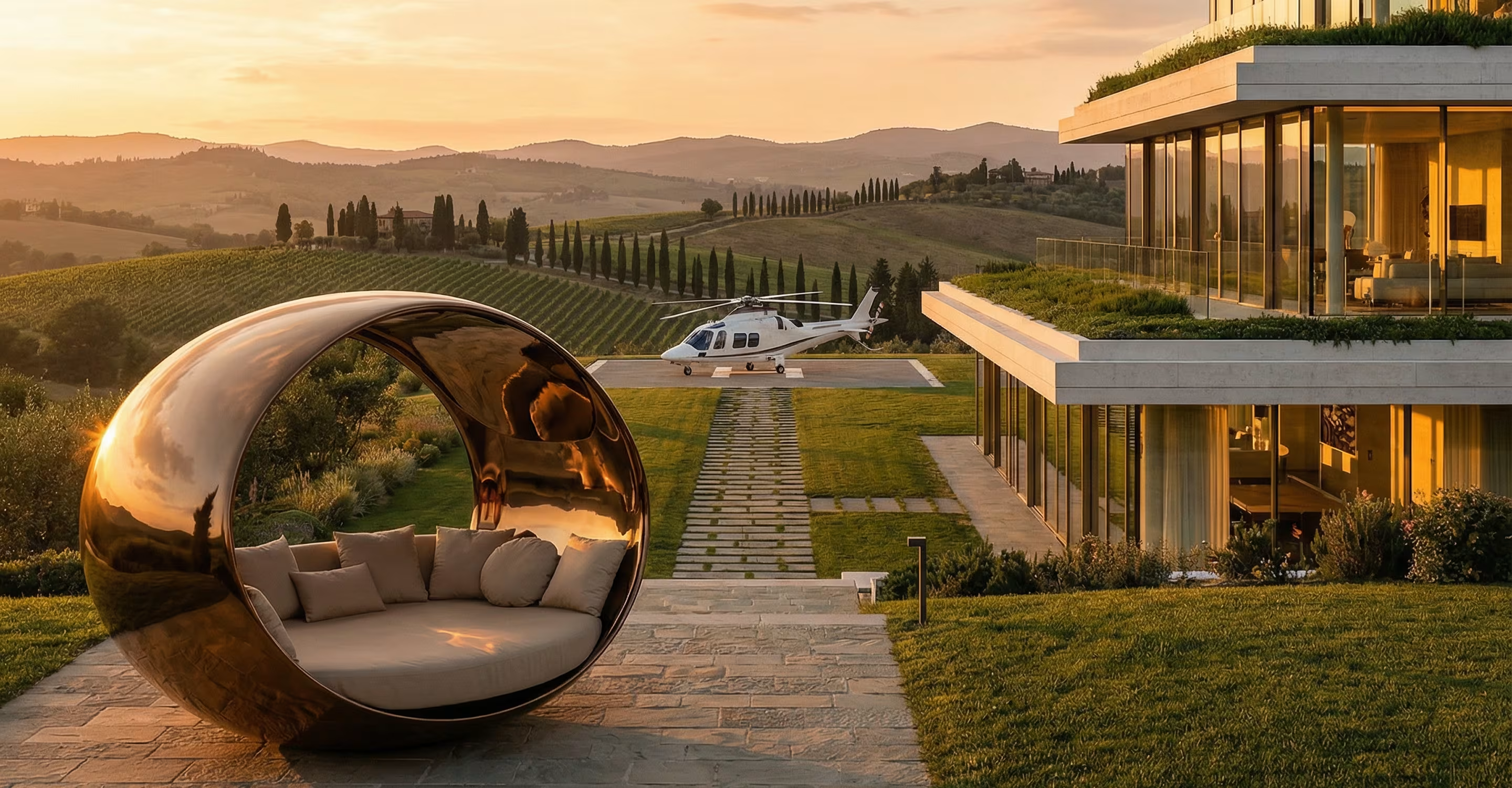
Outdoor environments have evolved far beyond traditional landscaping. Today, architects, landscape designers, and developers aim to create destinations that leave a lasting impression on visitors. One of the most effective ways to achieve this is through the thoughtful integration of large-scale sculptures.
Unlike decorative ornaments, monumental sculptures are designed to become permanent architectural features. They establish identity, strengthen branding, and transform ordinary spaces into memorable environments that encourage visitors to stop, observe, and interact.
Luxury hotels often position sculptures near their entrances to create a strong first impression. Residential developments use artwork to establish prestigious common areas, while corporate headquarters frequently commission signature pieces that reflect innovation and company values. Public parks and civic spaces also benefit from carefully designed sculptures that become local landmarks.
The relationship between sculpture and architecture is particularly important in contemporary design. Successful projects consider proportions, surrounding buildings, pedestrian movement, natural lighting, and seasonal changes before fabrication begins. Rather than competing with the architecture, the artwork should enhance the overall composition.
Material selection plays a central role in determining both aesthetics and long-term performance. Stainless steel offers durability with elegant reflective surfaces that change throughout the day as lighting conditions evolve. Bronze develops a natural patina that adds character over time, while corten steel introduces warm textures that blend beautifully with landscape architecture. Modern composite materials such as fiberglass provide additional flexibility for ambitious artistic concepts without excessive structural weight.
Every location presents unique technical challenges. Wind loads, foundation requirements, drainage systems, transportation logistics, and installation procedures must all be considered before production starts. This is why large sculpture projects typically involve close collaboration between artists, engineers, architects, and contractors.
Customization is another major advantage. Rather than selecting artwork from a catalog, many clients commission pieces specifically designed for their property. Custom sculptures can incorporate corporate identity, local cultural influences, natural surroundings, or architectural themes, creating installations that cannot be replicated elsewhere.
Beyond visual appeal, sculptures contribute to the emotional experience of a space. Visitors often associate iconic artwork with a destination, making it easier to remember hotels, resorts, office buildings, museums, or residential communities. In many cases, the sculpture itself becomes the most photographed feature of the property, adding long-term marketing value.
Companies specializing in bespoke architectural sculpture usually provide comprehensive project management, including concept development, digital visualization, engineering, fabrication, transportation, and installation. This integrated workflow ensures consistency from the first design sketches through final placement on site.
Examples of contemporary sculpture projects and custom artistic solutions can be explored at https://www.arieteart.com/, where visitors can discover installations created for residential, commercial, hospitality, and public environments using premium materials and tailored manufacturing processes.
As demand for unique architectural experiences continues to grow, large-scale sculptures remain one of the most effective investments for creating visually distinctive environments. Whether placed in an urban plaza, private estate, luxury resort, or public landscape, thoughtfully designed artwork has the ability to define an entire space for decades to come.